Nerve-Like Symptoms Can Have Multiple Causes
Not all numbness or tingling is the same, and symptoms should not be diagnosed from a checklist alone.


 Book Your $49 First Experience
Clinic information, patient education, and online scheduling for 100% Chiropractic Austin Rosedale on MendAndFlow.
100% Chiropractic Austin Rosedale 3800 N Lamar Blvd, Ste 160 Austin, TX 78756 (512) 638-8544Neuropathy and nerve-symptom evaluation in Austin, TX
Numbness, tingling, burning, pins-and-needles, or nerve-like symptoms can have different causes.
At 100% Chiropractic Austin Rosedale, recommendations start with evaluation. We look at symptom history, movement patterns, soft tissue irritation, posture, musculoskeletal stress, and whether referral or additional medical evaluation may be appropriate.
Class IV laser therapy may be considered as part of a broader care plan when clinically appropriate for your findings and goals.
Central Austin/Rosedale clinic. Same-day and same-week appointments are often available.
Why this happens
Numbness, tingling, burning, or pins-and-needles sensations can come from different sources. Some symptoms may relate to nerve irritation, circulation, metabolic conditions, medication effects, spinal or extremity mechanics, soft tissue sensitivity, or other medical factors.
That is why the first step is not assuming the cause. The first step is a careful evaluation and, when appropriate, referral for additional medical care.
Not all numbness or tingling is the same, and symptoms should not be diagnosed from a checklist alone.
For some patients, spinal motion, posture, muscle guarding, or extremity mechanics may be part of the pattern.
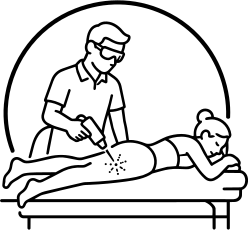
Class IV laser therapy may be considered only when findings suggest it fits the care plan.

Sudden weakness, rapidly worsening symptoms, or signs of a broader medical issue require the right medical next step.
Neuropathy-like symptoms deserve clarity before care recommendations are made.
Why evaluation matters
We start by sorting out whether your symptoms look more like a peripheral nerve pattern, spine or sciatica-related pattern, local soft tissue or nerve-irritation pattern, or something that needs medical referral.
That distinction matters because burning, tingling, numbness, sleep disruption, balance changes, and walking hesitation can show up for different reasons. A careful evaluation helps determine whether supportive care, Class IV laser therapy, referral, or another next step makes sense.
Symptoms may feel more widespread, may affect both feet or hands, may be worse at night, or may relate to medical factors that need coordinated evaluation.
Symptoms may travel from the low back, hip, neck, or shoulder region and may change with posture, sitting, standing, walking, bending, or nerve tension.
Symptoms may be more specific to one area, one side, footwear, repetitive activity, muscle guarding, joint mechanics, or local soft tissue sensitivity.
Sudden, rapidly worsening, unexplained, or broader neurologic symptoms may require urgent care, lab work, imaging, medication review, or specialist evaluation.
What we evaluate
Nerve-like symptoms are not evaluated from one symptom word alone. The location, quality, side-to-side pattern, timing, triggers, functional impact, and exam findings all help determine whether supportive care, laser therapy, referral, or another next step may be appropriate.
Feet, legs, hands, arms, or areas of radiating symptoms can point toward different possible contributors.
Numbness, tingling, burning, pins-and-needles, sensitivity, weakness, and pain are described carefully because they do not all mean the same thing.
Symptoms on one side may suggest a different pathway than symptoms affecting both feet, both hands, or a broader region.
Sitting, standing, walking, sleep, activity, footwear, work habits, and daily routines can help reveal patterns.
Walking confidence, balance, sleep, work, exercise, and daily activity changes help clarify how disruptive the pattern has become.
Spine, hip, extremity mechanics, soft tissue sensitivity, posture, and movement patterns may contribute for some patients.
Some symptoms require medical evaluation, lab work, imaging, medication review, or specialist care outside the clinic.
Common symptoms
Why temporary relief often does not last
When numbness, tingling, or burning has not been evaluated, short-term symptom management can miss important contributors. A care plan should begin by understanding what may be involved.
In our clinic, recommendations are based on symptom history, exam findings, musculoskeletal contributors, mobility, soft tissue irritation, posture, movement patterns, and whether additional medical evaluation is needed.
This is part of our corrective-care-oriented approach for recurring symptom patterns.
 May focus only on calming symptoms.
 May not explain why numbness, tingling, or burning is happening.
 Can miss important factors when numbness, tingling, or burning has not been evaluated.
 Reviews symptom history, location, timing, triggers, severity, and function.
 Evaluates musculoskeletal contributors, mobility, soft tissue irritation, posture, and movement patterns.
 Considers Class IV laser therapy only when appropriate and refers out when symptoms require medical evaluation.
What patients often notice
Many people wait because the symptoms are confusing. They often come in once they want a clearer explanation of what may be contributing and whether laser therapy makes sense.
How laser may fit
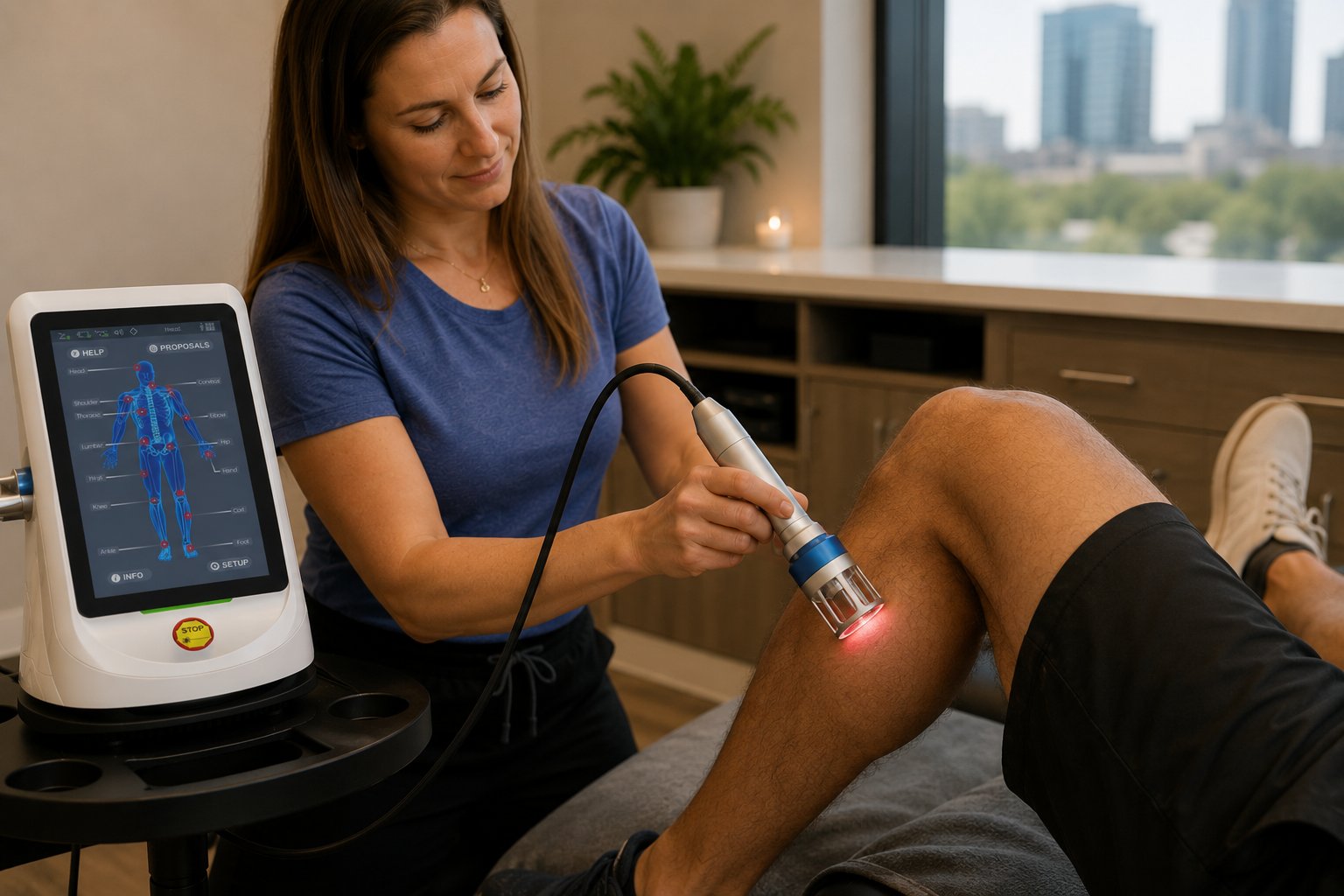
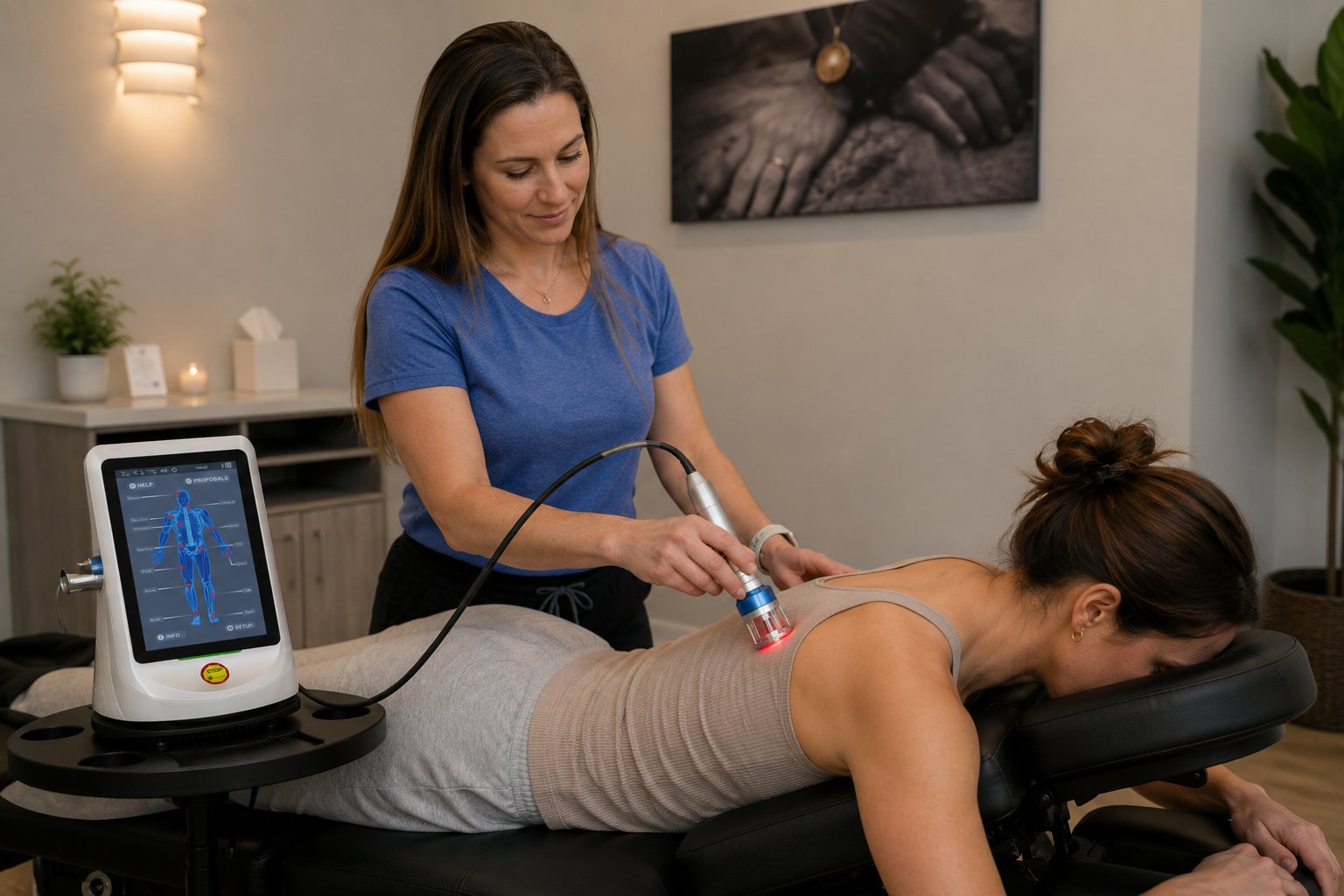
Class IV laser therapy may be considered when the evaluation suggests that irritated tissue, inflammation-related discomfort, soft tissue sensitivity, or nerve-like symptoms may benefit from additional tissue-focused support.
Laser therapy is not treated as a standalone answer for neuropathy. It is considered as one part of a broader care plan when appropriate.
Laser may be used to support irritated tissue and comfort when clinically appropriate.
It should not be presented as repairing nerve damage or working for every neuropathy-like symptom pattern.
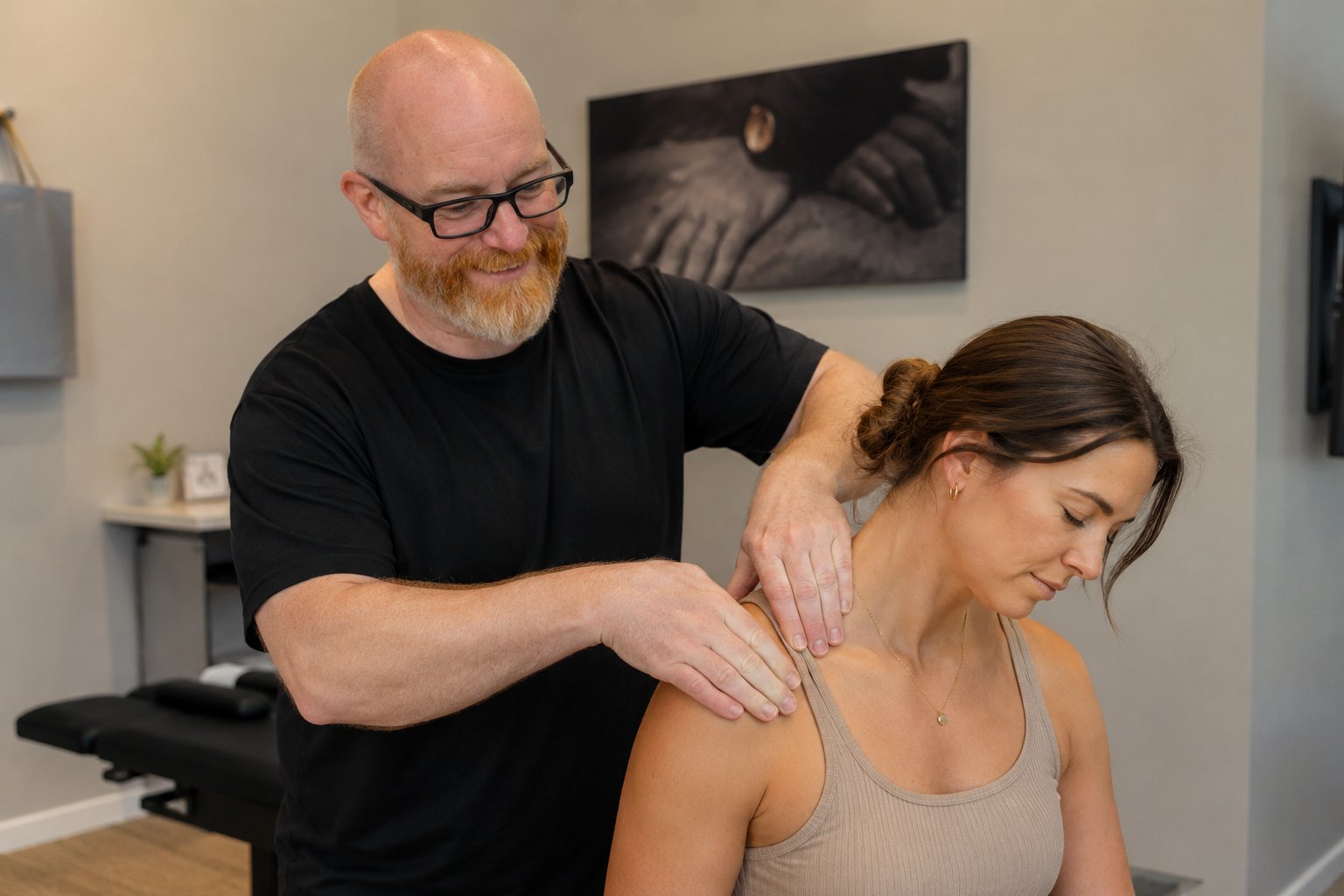
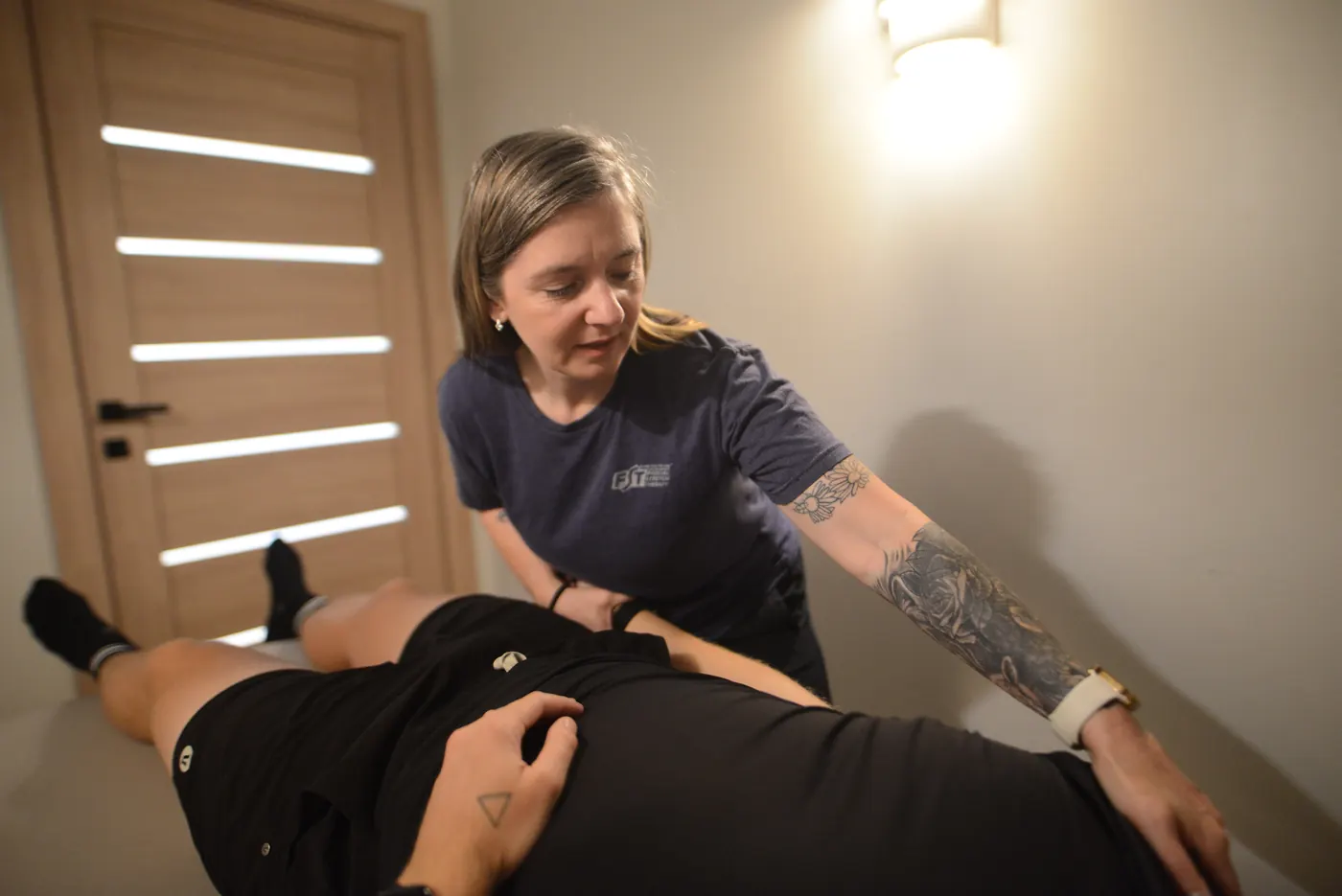
Care may also include chiropractic evaluation, movement support, soft tissue care, Fascia Stretch Therapy, or referral.
Symptoms and function should be tracked so next steps remain appropriate.
Our integrated approach
After evaluation, care may include one or more supportive options depending on findings. The goal is not to force every patient into the same plan. The goal is to match recommendations to the symptom pattern, exam findings, goals, and referral considerations.
May support irritated tissue and inflammation-related discomfort when clinically appropriate as part of a care plan.
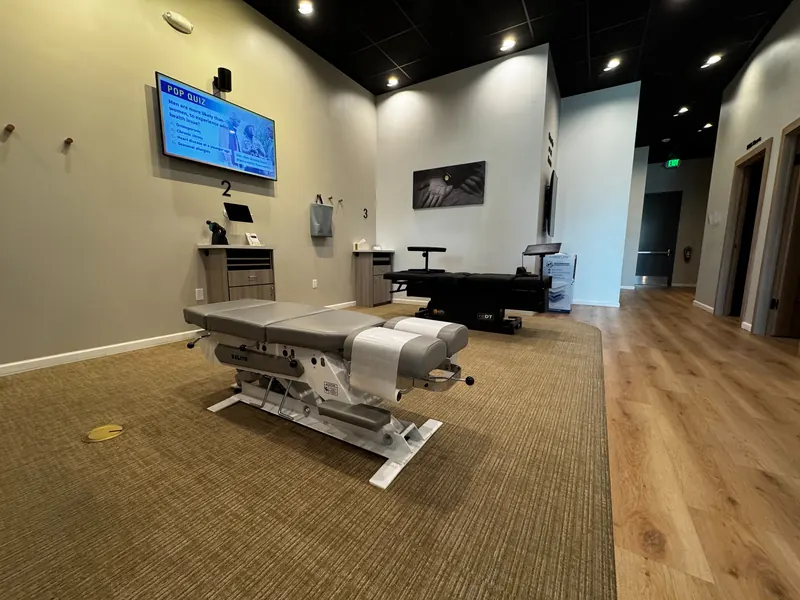
Helps assess whether spinal motion, joint restriction, or musculoskeletal stress may be contributing for some patients.
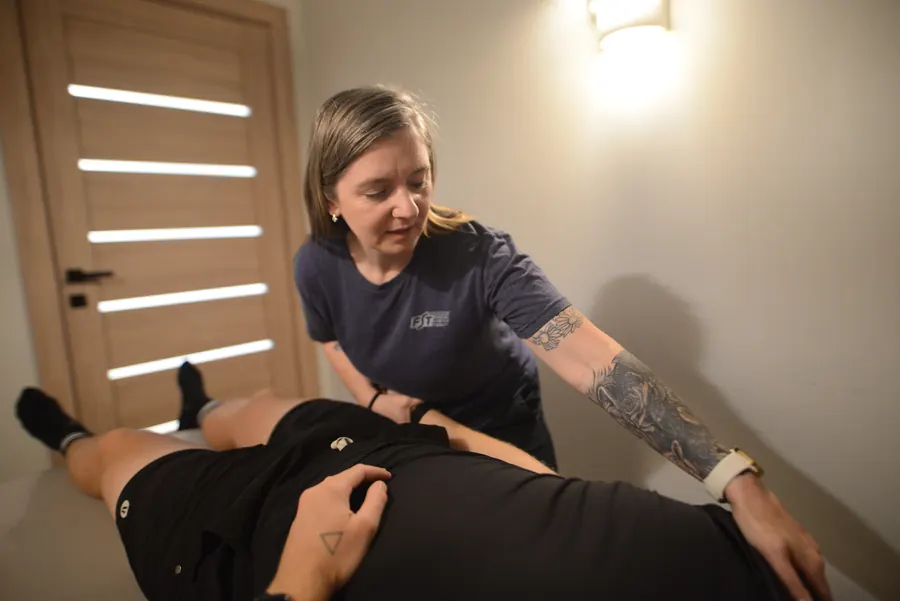
May help address mobility restrictions, soft tissue sensitivity, and muscle guarding that influence movement comfort.
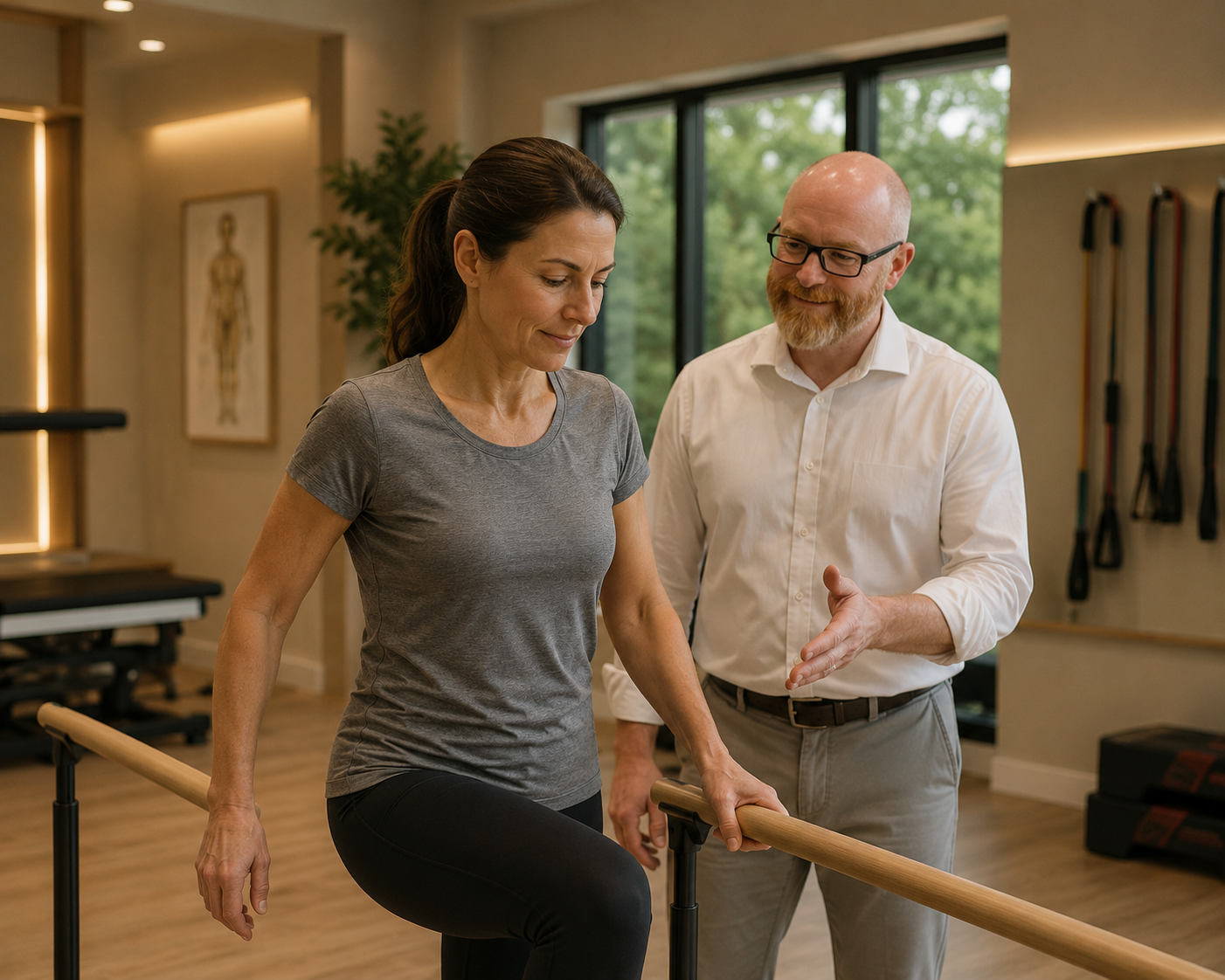
Helps patients build better movement habits and monitor activity-related triggers.
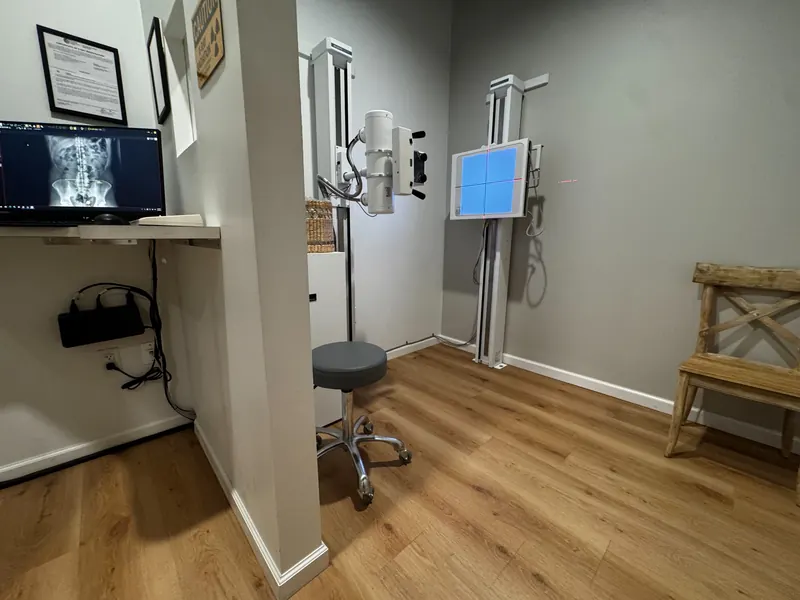
Some numbness, tingling, weakness, or burning symptoms require additional medical evaluation outside the clinic.
Why choose this clinic
Neuropathy-like symptoms deserve a careful, evaluation-first approach. Our clinic does not treat laser therapy like a standalone shortcut.
We look at the broader pattern before recommending care and communicate when referral or additional medical evaluation may be appropriate.
We begin by understanding symptom history, triggers, severity, exam findings, and the broader movement pattern.
Chiropractic evaluation, soft tissue care, fascia stretch therapy, movement support, and Class IV laser therapy are available when appropriate.
Laser therapy may be considered when findings suggest it fits the patient's supportive care plan.
Some symptoms require referral, additional testing, or another medical provider, and that guidance is part of responsible care.
Patients leave with a clearer understanding of what may be contributing and what next steps may make sense.
Patient Stories
These patient stories speak to their personal experience with neuropathy-related symptoms and laser therapy at the clinic. Individual results vary, and your care recommendations depend on your evaluation.
Patient experiences vary. These stories are not a guarantee of outcome or a claim that laser therapy cures or reverses neuropathy.
A patient story about neuropathy-related symptoms, laser therapy support, and finding clearer next steps after evaluation.
A patient story about laser therapy support, comfort, sleep, and staying active during an individualized care plan.
A focused visit can help clarify whether musculoskeletal contributors, laser therapy, referral, or another next step may be appropriate.
Seek urgent medical care for sudden weakness, facial drooping, difficulty speaking, loss of bowel or bladder control, saddle numbness, severe or rapidly worsening symptoms, major trauma, signs of infection, or new numbness or weakness that appears suddenly. This page is for non-emergency evaluation and supportive care planning.
Neuropathy refers to nerve-related dysfunction or damage that can cause symptoms such as numbness, tingling, burning, weakness, or sensitivity. Similar symptoms can also come from other causes, so evaluation is important before assuming the diagnosis.
Neuropathy-like symptoms can include numbness, tingling, burning, pins-and-needles, unusual sensitivity, weakness, balance changes, or nerve-like discomfort in the feet, legs, hands, or arms. These symptoms can have different causes and should be evaluated carefully.
No. Laser therapy should not be described as a cure for neuropathy or a predictable way to repair established nerve damage. Some patients may be candidates for Class IV laser therapy as part of a broader supportive care plan, depending on evaluation findings.
It may help some patients when clinically appropriate. Class IV laser therapy may support irritated tissue, inflammation-related discomfort, and local circulation as part of an evaluation-informed plan, but it is not appropriate for every cause of numbness, tingling, or burning.
We decide after evaluation. The first visit reviews symptom history, location, duration, triggers, severity, mobility, orthopedic findings, musculoskeletal stress, soft tissue sensitivity, and whether referral or additional medical evaluation may be appropriate.
Seek urgent medical care for sudden weakness, facial drooping, difficulty speaking, loss of bowel or bladder control, saddle numbness, severe or rapidly worsening symptoms, major trauma, signs of infection, or new numbness or weakness that appears suddenly.
You may need a medical referral depending on the pattern. Some nerve-like symptoms require lab work, imaging, neurological evaluation, medication review, or another medical provider. Our evaluation helps clarify whether chiropractic care, laser therapy, referral, or another next step makes sense.
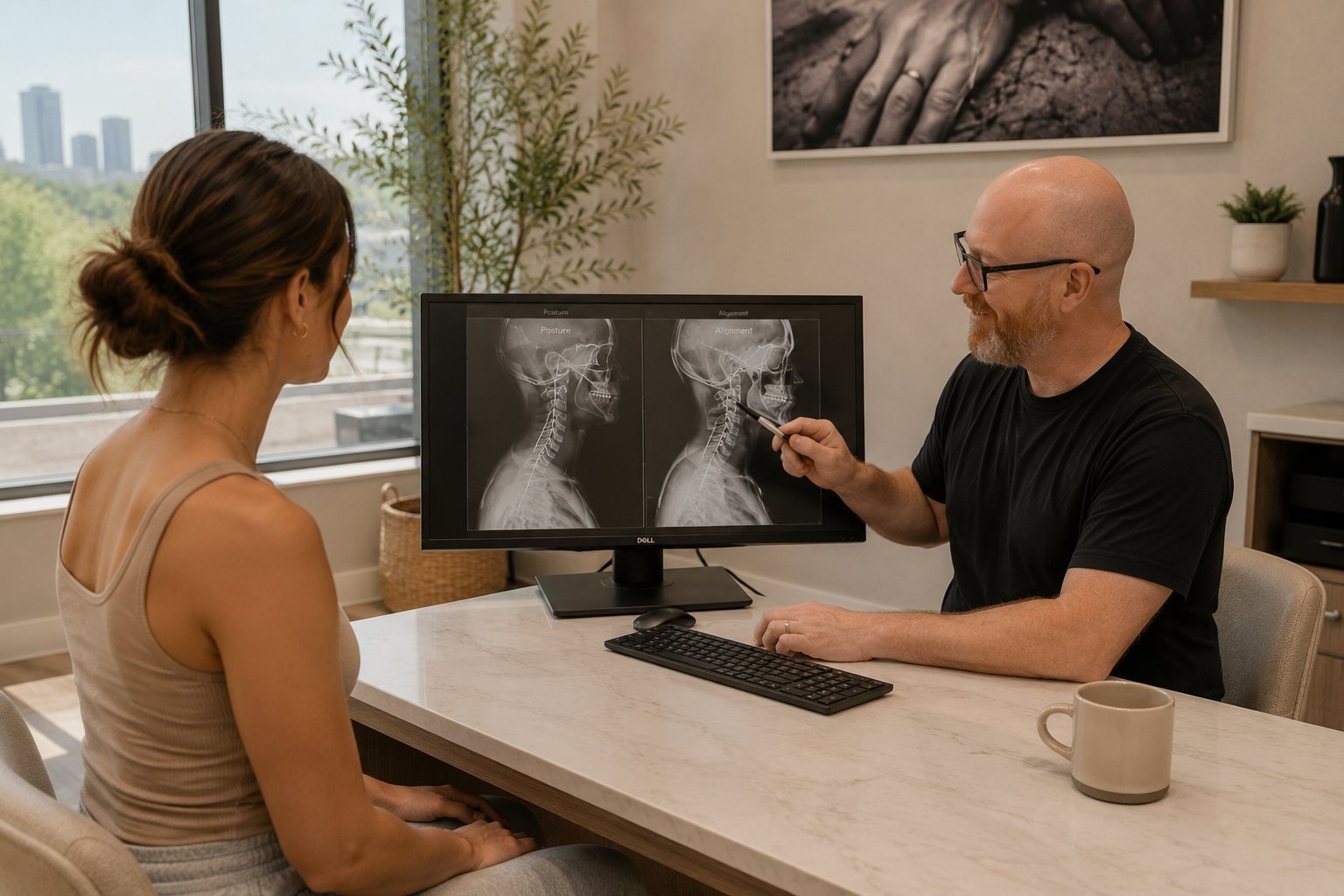
The first visit focuses on understanding the full pattern. We review your history, symptom location, triggers, severity, mobility, posture, orthopedic findings, musculoskeletal stress, and whether digital X-rays or referral considerations are appropriate.
Usually, laser therapy is considered as one part of a broader care plan. Depending on findings, care may also involve chiropractic evaluation, soft tissue therapy, fascia stretch therapy, corrective exercise, movement support, or referral.
Visit frequency varies because symptoms, causes, severity, and goals differ. After evaluation, the clinic can explain whether a short supportive plan, a longer care plan, referral, or a different next step is most appropriate.
When to get checked
If numbness, tingling, burning, or pins-and-needles symptoms keep returning, a focused evaluation can help clarify what may be contributing to the pattern and whether laser therapy or another next step may make sense.
Local neuropathy-like symptom evaluation in Central Austin
100% Chiropractic Austin Rosedale is located at 3800 N Lamar Blvd, Ste 160, Austin, TX 78756. Patients visit us for numbness, tingling, burning, pins-and-needles symptoms, balance concerns, laser therapy evaluation, and care plans that consider the broader pattern.
100% Chiropractic Austin Rosedale
3800 N Lamar Blvd, Ste 160
Austin, TX 78756
(512) 638-8544
Mon-Thu: 8:00am - 12:00pm; 1:30pm - 5:30pm
Fri: 8:00am - 12:00pm
The clinic sits between Local Foods and Westlake Dermatology facing Lamar Blvd and in the same building as Kendra Scott's HQ. We validate parking in the clinic. For garage GPS, use 3809 Medical Pkwy.
Get DirectionsRated 4.9/5.0 on Google
The evaluation helped me understand what was going on and what my options were.
Patients often want clearer answers, calm guidance, and next steps that match their findings.
Read current Google reviews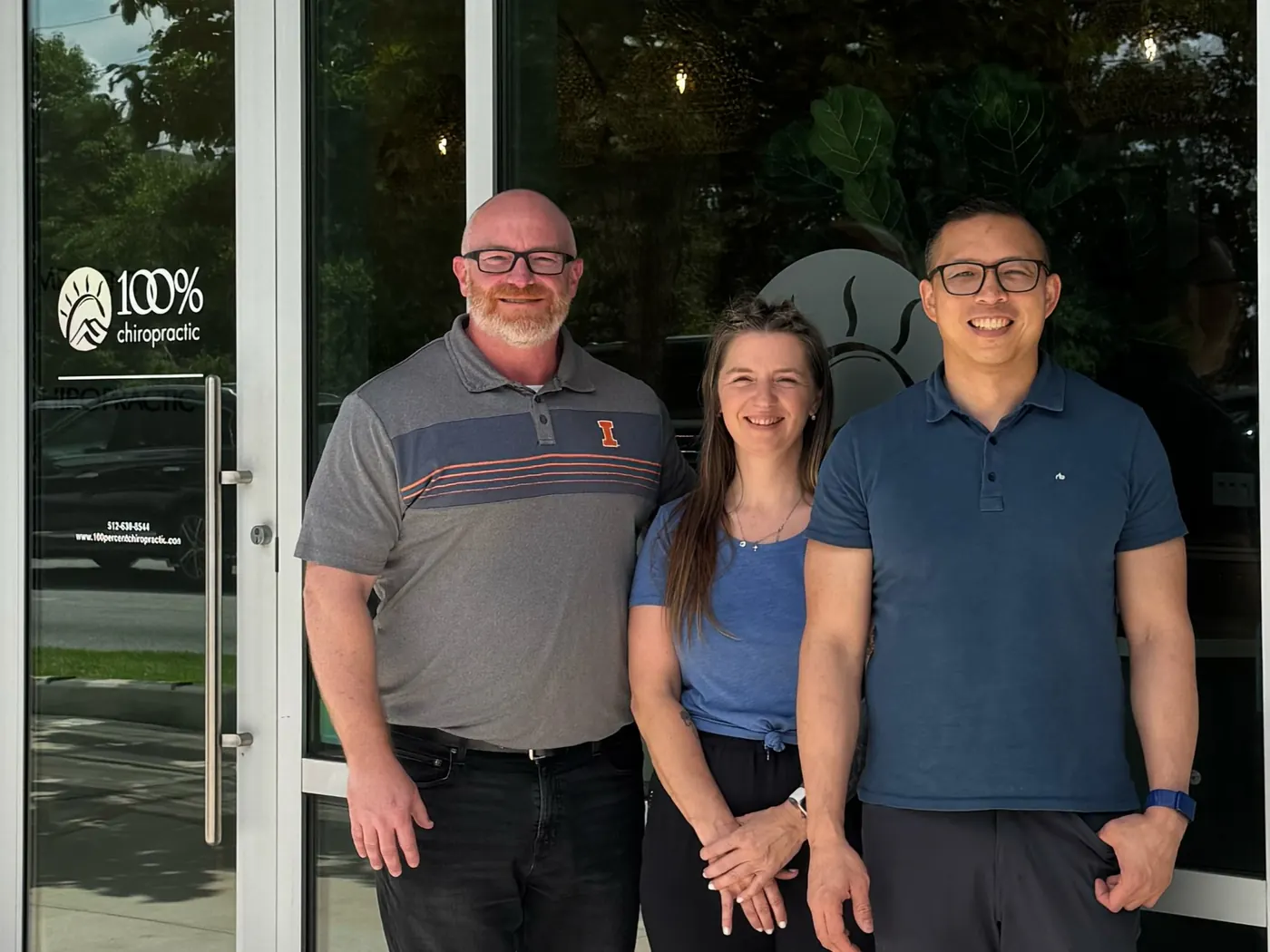
If numbness, tingling, burning, or pins-and-needles symptoms keep returning, the next step is a focused evaluation to understand what may be contributing to the pattern and whether laser therapy may fit your care plan.
Same-day and same-week appointments are often available. Results vary and evaluation is required.
MendAndFlow is a healthcare-provider directory and patient-education platform owned and operated by Quake Brands LLC.
This clinic profile and its related educational and online-scheduling pages feature 100% Chiropractic Austin Rosedale.
Clinical services are provided by 100 Chiro Corona LLC d/b/a 100% Chiropractic Austin Rosedale, an independently owned and operated 100% Chiropractic franchise.
Appointment requests made through these pages are for the Austin Rosedale clinic. MendAndFlow does not provide clinical care and is not the corporate 100% Chiropractic website.
100% Chiropractic Austin Rosedale Book Your $49 First Experience
Book Evaluation
Book Your $49 First Experience
Book Evaluation